
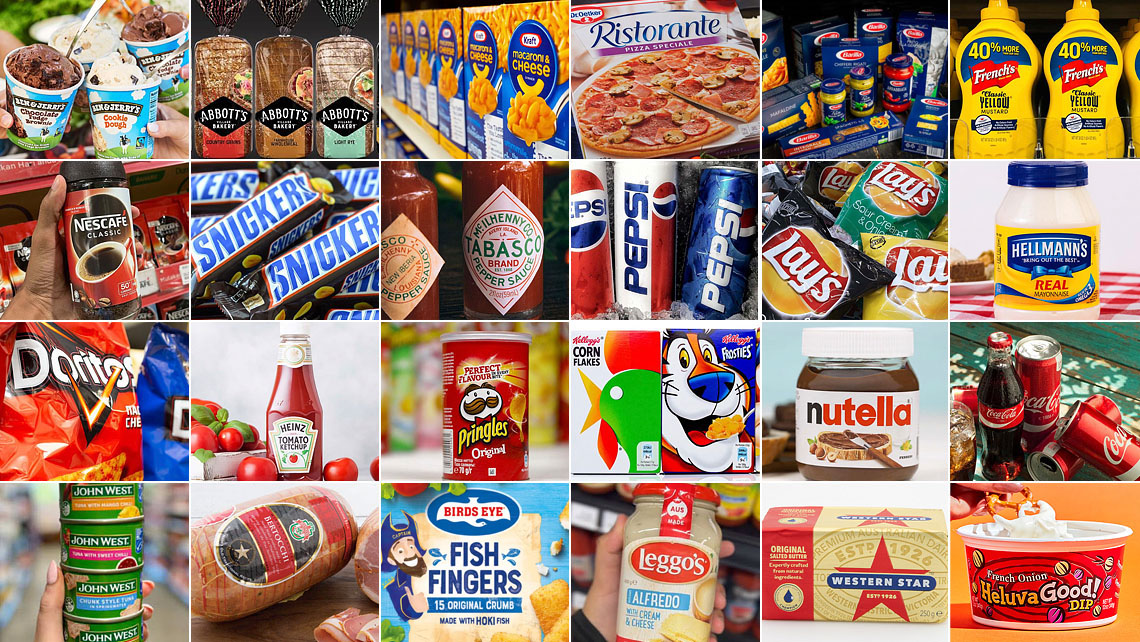
Why consumers choose one food brand over another
Understanding food consumer behaviour is one of the most important foundations of successful food branding and food marketing. Every customer is different. Consumer behaviour is influenced by psychology, sociology and economics, shaping how people think, feel and ultimately make purchasing decisions. While many consumers share similar needs, the way those needs are satisfied differs from person to person. Understanding these differences allows brands to develop stronger brand positioning and more meaningful customer experiences.
Every purchase is the result of a series of thoughts, emotions and experiences. If you’re feeling hungry and deciding where to eat, what makes you choose one restaurant, café or fast-food brand over another? Was it an advertisement? A recommendation from a friend? A memorable experience? Or was it simply habit? Every consumer buying decision is influenced by a combination of rational thinking and emotional responses.
More often than not, it begins with an image stored in your mind. A photograph of a perfectly cooked pizza, the aroma of freshly brewed coffee or memories of a favourite family restaurant can all trigger desire. That desire naturally leads to a brand that represents something meaningful to you. Great food brands don’t simply sell meals, they create positive associations, trust and comfort that influence future purchasing decisions.
Every day we make buying decisions using both our hearts and our minds. The brands we repeatedly choose gradually shape our attitudes, preferences and expectations. This is why successful food branding goes beyond logos and advertising. It requires a deep understanding of customer behaviour, evolving consumer trends and consistently delivering on the brand promise. The strongest brands remain relevant by continually adapting to changing tastes while staying true to what they stand for.
The psychology behind food purchasing behaviour
Not every food purchase follows the same decision-making process. Some purchases are habitual, requiring very little thought. Others involve careful comparison between products, restaurants or supermarkets. Some are driven almost entirely by emotion or sensory triggers such as photography, packaging or advertising. Others are ritualistic – Friday night fish and chips, Sunday morning brunch or your favourite coffee on the way to work.
The next time you’re shopping, take a moment to observe your own behaviour. Why did you choose one product over another? Was it an impulse purchase? Did you compare different brands? Did you buy what you’ve always bought simply because it felt familiar? Understanding these consumer buying behaviours helps explain why some brands become part of everyday life while others struggle to gain attention.
Why brand positioning matters in food marketing
For food brands, understanding consumer behaviour is only the beginning. The real opportunity lies in knowing which customers are most likely to purchase your products and how your brand should be positioned in their minds. This is where segmentation, targeting and brand positioning become essential. A clearly defined value proposition, supported by consistent messaging and memorable experiences, creates stronger preference and long-term loyalty.
The most successful food marketing strategies don’t try to appeal to everyone. Instead, they understand their ideal customer, communicate a clear point of difference and deliver a brand experience that people remember.
Brand insight: Great food brands don’t sell food – they sell meaning
Brands are like people. They’re shaped by values, defined by character and strengthened through the relationships they build.
The same applies to food brands. Customers rarely choose products based solely on ingredients or price. They choose the brands that create emotional connections, consistently deliver on their promise and occupy a meaningful place in their minds. Great food brands don’t simply satisfy hunger, they create experiences that customers want to return to again and again.